
Office of Pre-Health Advising
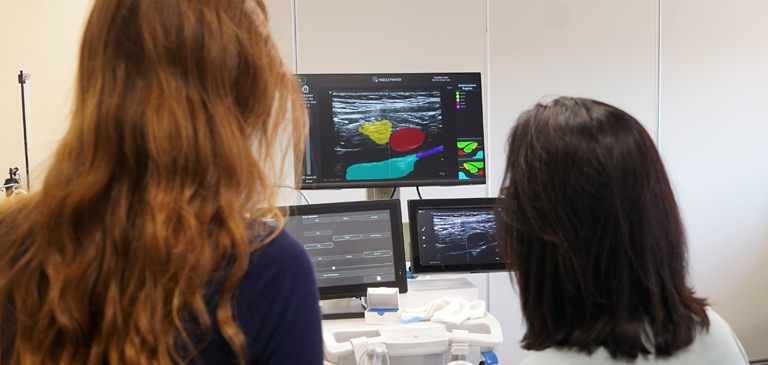
Many pre-health students choose to take a growth year (often called a gap year) between completing their undergraduate degree and applying to health professions programs. This time can be an opportunity to gain valuable experience, strengthen your application, and reflect on your goals. Whether you’re considering a year off to work, volunteer, conduct research, or simply recharge, a growth year can be a strategic and meaningful step in your journey.
Students take a growth year for many reasons, including:
Enhancing Your Application
Use the time to gain clinical experience, improve your GPA, complete additional coursework, or retake entrance exams like the MCAT or GRE.
Exploring Career Interests
A growth year can help you confirm your commitment to a specific health profession or explore related fields before applying.
Gaining Real-World Experience
Work in a healthcare setting, participate in research, or engage in community service to build skills and deepen your understanding of patient care.
Personal and Professional Development
Develop maturity, resilience, and leadership through experiences that challenge and inspire you.
Financial Planning
A year of employment can help you save for application costs or future tuition expenses.
Some questions to ask yourself when trying to decide if a growth year is a good idea for you include:
If you’re unsure, meet with a pre-health advisor to discuss your goals and options.
If you decide to take a growth year, thoughtful planning can help you make the most of your time and ensure that your experiences contribute meaningfully to your future application. A well-structured growth year can strengthen your candidacy, deepen your understanding of the healthcare field, and support your personal and professional development.
Set Clear Goals
Begin by identifying what you hope to accomplish during your growth year. Are you aiming to gain more clinical experience, improve your academic record, explore research, or confirm your commitment to a specific health profession? Setting intentional goals will help you stay focused and make decisions that align with your long-term plans.
Stay Connected with Mentors and Advisors
Maintain regular communication with faculty mentors, pre-health advisors, and professionals in your field of interest. They can offer guidance, help you evaluate opportunities, and support you in preparing for the next application cycle. Staying connected also keeps you informed about deadlines, resources, and changes in admissions trends.
Track Your Experiences
Keep a detailed record of your activities, including dates, locations, responsibilities, and reflections. Whether you’re volunteering, working, or conducting research, documenting your experiences will make it easier to write about them in your personal statement, update your resume, and complete application entries later on.
Continue Professional Development
Use your growth year to build skills and expand your knowledge. Read books and articles related to healthcare, attend webinars or conferences, join professional organizations, and network with others in the field. Reflect regularly on what you’re learning and how it’s shaping your perspective on patient care and your future role in the profession.
Taking a growth year doesn’t mean stepping away from your goals, it’s an opportunity to build momentum with the right guidance and resources. Whether you’re exploring clinical work, post-bac programs, or professional development, our campus offices are here to support you.
Center for Career & Professional Development
Office of Pre-Health Advising
Engineering Bldg. RM# 125
Hours: Mon-Fri 8:30 AM – 5 PM
Kia Hart
(313) 993-1928
hartkl@udmercy.edu